Introduction:
The main signs of collapsed sewer line include several drains backing up at the same time, sewage returning through fixtures, slow drainage throughout the house, gurgling sounds, persistent sewer odors, and wet or sunken areas in the yard. These symptoms can appear when an underground sewer pipe becomes damaged enough to restrict or stop normal wastewater flow.
One slow sink does not necessarily mean the main sewer pipe has failed. When several symptoms appear together or keep returning after blockages have been cleared, the main line needs closer inspection. A sewer camera inspection can help locate structural damage and determine whether excavation work or another repair method is appropriate.
What Are the Signs of a Collapsed Sewer Line?
A collapse can affect both plumbing fixtures inside the property and the ground surrounding the underground line.
Multiple Drains Backing Up at Once
A blockage in one sink or shower is usually limited to that fixture or a nearby branch line. When toilets, sinks, showers, and floor drains begin backing up around the same time, the problem may be farther down the drainage system.
Multiple drains backing up are particularly concerning when the issue keeps returning after individual drains have been cleared. This can indicate a main sewer line problem rather than several unrelated clogs.
Sewage Backing Up Into the House
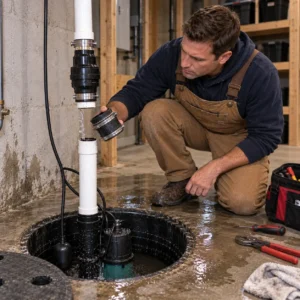
A sewage backup is one of the more serious collapsed sewer pipe symptoms. Wastewater that cannot move freely through the main line may return through toilets, showers, floor drains, or other low fixtures.
Avoid using unnecessary water if sewage is already returning into the property. Continued flushing, showering, or running appliances can send additional wastewater toward a line that may already have restricted flow.
Slow Drains Throughout the House
One slow drain often points to a localized clog. Slow drains throughout the house suggest that wastewater may be encountering a restriction farther along the main sewer pipe.
Pay attention to whether the problem affects fixtures in different parts of the property. Slow drainage that repeatedly returns after drain clearing can indicate sewer pipe damage that needs further investigation.
Gurgling Sounds From Drains and Toilets
Unusual sounds can develop when wastewater and air are struggling to move normally through the drainage system.
Gurgling drains or toilets do not prove that a pipe has collapsed, but they become more significant when accompanied by slow drainage, backups, or other sewer line warning signs.
Sewer Odors Inside or Outside
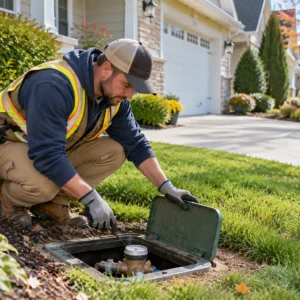
A properly functioning drainage system should keep sewer gases contained. Persistent sewage smells around drains, a sewer cleanout, or parts of the yard can indicate that something is wrong with the system.
Odor alone can have several possible causes. When it occurs alongside recurring drainage problems or visible changes outside, a damaged underground line becomes a greater concern.
Soggy, Sunken or Unusually Green Areas in the Yard
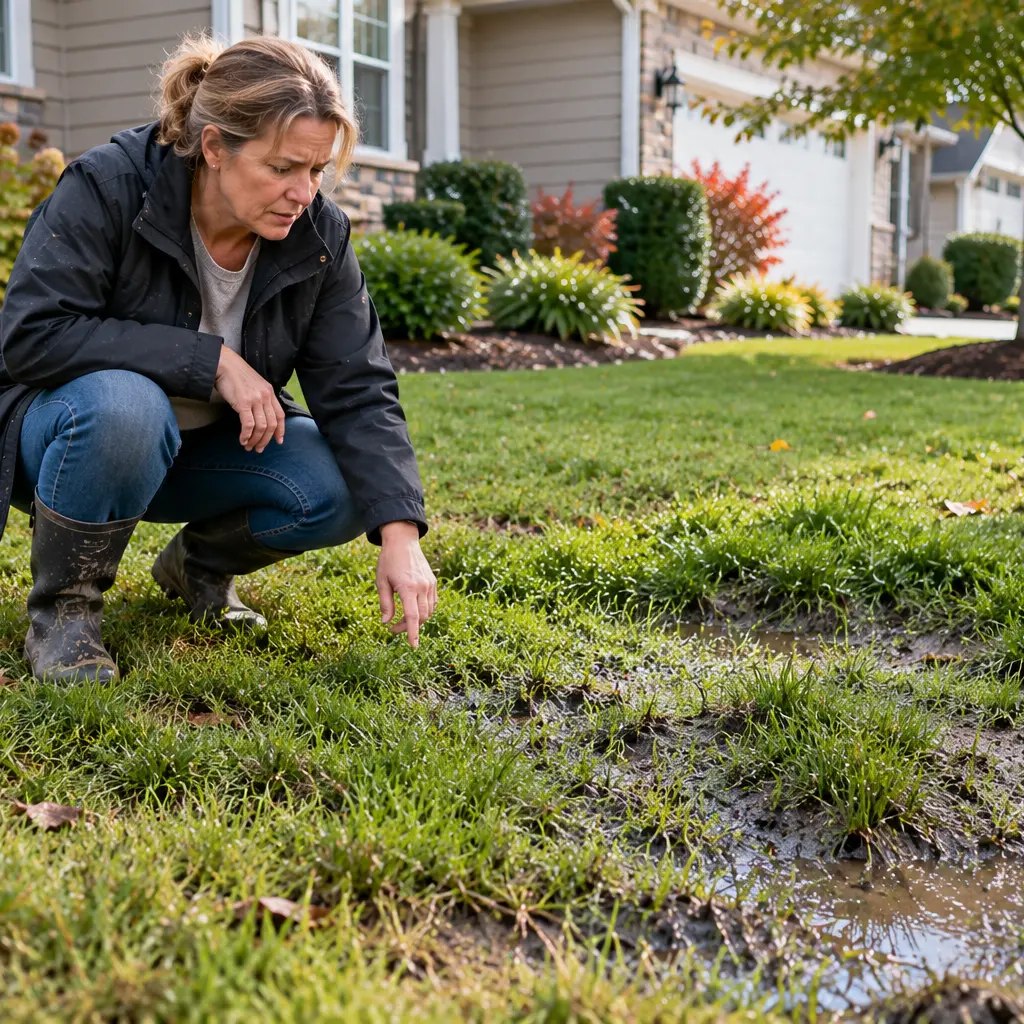
Some sewer line collapse signs appear outside rather than at a plumbing fixture. Wastewater escaping from a damaged pipe can saturate the surrounding soil.
Look for persistent wet areas, ground depressions, unusually soft soil, or grass that is noticeably greener than the surrounding lawn. Soil can also settle around a damaged underground pipe, which may cause part of the ground to sink.
Increased Pest Activity
Rodents and insects are attracted to moisture, waste, and damaged drainage areas. An unexplained increase in pest activity around drains or parts of the yard can sometimes accompany a sewer problem.
Pests alone are not enough to diagnose a collapse. They are more useful as a supporting sign when other drainage or outdoor symptoms are also present.
What Causes a Sewer Line to Collapse?
A sewer pipe can weaken gradually or be damaged by changes around it. Pipe material, age, surrounding soil, roots, installation, and surface loads can all contribute to failure.
Aging or Deteriorating Pipe Materials
Older underground pipes can deteriorate as they remain exposed to soil, moisture, wastewater, and long-term use. Some materials may corrode, crack, deform, or weaken over time.
Tree Root Intrusion
Tree roots naturally grow toward available moisture. Small openings around joints or existing cracks can allow tree roots into sewer pipes.
Soil Movement and Ground Shifting
The ground surrounding a sewer line is not always static. Soil movement, settlement, erosion, and freeze-thaw conditions can alter the support around an underground pipe.
Uneven support or pressure may cause joints to move or place stress on already weakened sections.
Heavy Loads Above the Sewer Line
Vehicles, heavy machinery, construction activity, or other substantial surface loads can place additional pressure on buried infrastructure.
Damaged or Poorly Installed Sewer Pipes
Installation can affect how a pipe performs over time. Weak connections, inadequate support, incorrect alignment, or movement around joints may create areas that are more vulnerable to damage.
What Happens When a Sewer Line Collapses?
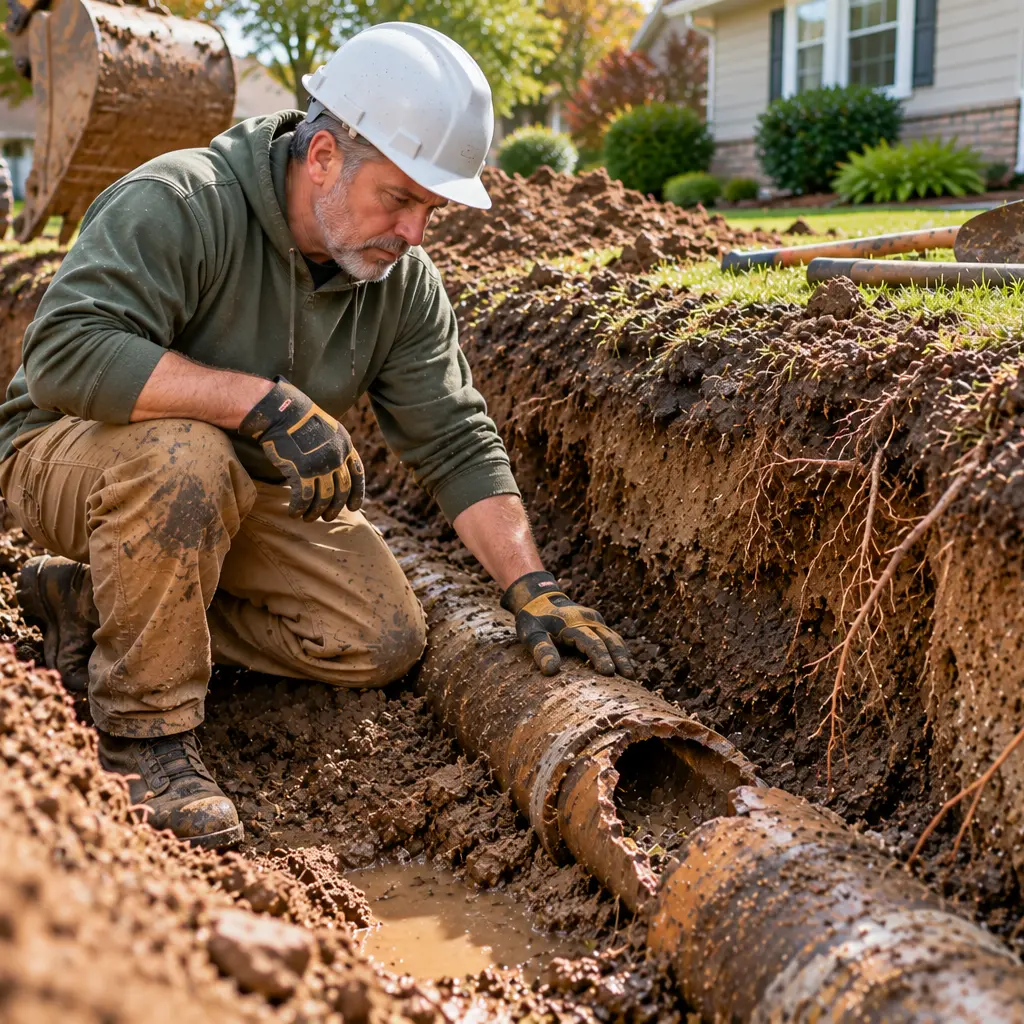
A collapse changes the shape or continuity of the pipe, which can restrict wastewater flow. A partial collapse may still allow some water through, while a complete failure can create a major obstruction.
If the pipe is also leaking, wastewater can escape into the surrounding ground. This can create saturated soil, unpleasant odors, surface wetness, and hygiene concerns.
The extent of these problems depends on where the pipe has failed and how much of the line has been affected.
When Is Excavation Needed for a Collapsed Sewer Line?
Finding a damaged sewer pipe does not automatically mean the entire yard needs to be dug up. The decision to use sewer excavation depends on the type of failure, its location, accessibility, pipe condition, and whether another repair method is suitable.
When the Pipe Is Fully Collapsed
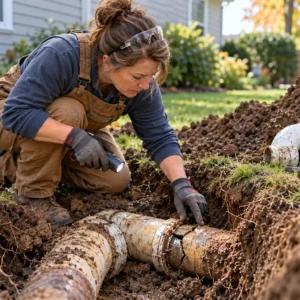
A complete sewer line collapse can leave little or no open pathway through the damaged section. Conventional drain cleaning cannot restore the structure of a pipe that has physically failed.
Direct access may be required when the failed section needs to be removed and replaced.
When the Damaged Pipe Cannot Be Reached From Existing Access Points
The location of the failure can influence the repair approach. Some damaged sections may be difficult to reach through existing cleanouts or other access points.
Excavation can provide direct access when the location, depth, or condition of the line makes another approach impractical.
When the Surrounding Ground Has Been Affected
Significant ground shifting, settlement, or soil disturbance around a damaged line may need to be considered as part of the repair.
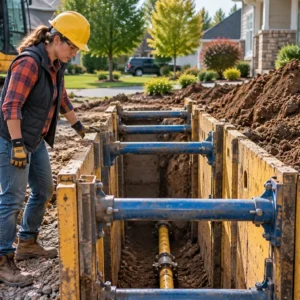
Opening the area can allow the damaged section and surrounding conditions to be assessed directly before replacement and backfilling. Disturbed or saturated soil also needs to be supported correctly during this work, as it increases the risk of trench collapse .
When Other Sewer Repair Methods Are Not Suitable
Some sewer problems may be candidates for trenchless sewer repair, depending on the existing pipe and the extent of the damage.
Methods such as pipe lining generally rely on suitable existing pipe conditions, while pipe bursting has its own site and access requirements. A severely collapsed, inaccessible, or extensively damaged line may instead require repair through conventional pipe excavation.
The repair method should therefore be selected after the line has been properly inspected rather than assuming excavation or trenchless work is always the right choice.
What to Do If You Suspect a Collapsed Sewer Line
If several collapsed sewer line symptoms appear together, avoid treating each drain as a separate problem. Reduce unnecessary water use, particularly if wastewater is already backing up into the property.
Check whether several fixtures are affected and look outside for wet soil, ground settlement, unusual vegetation, or sewer odors. Avoid contact with sewage or pooled wastewater.
The next step is a professional sewer inspection to determine what is happening inside the main line. Once the location and extent of the damage are known, the available sewer repair methods can be compared and excavation can be used when direct access is necessary.
Key Takeaways
The main signs of collapsed sewer line include multiple drains backing up, widespread slow drainage, sewage returning through fixtures, gurgling drains, sewer odors, and soggy or sunken areas outside. One symptom by itself may have another explanation, but several symptoms occurring together can point toward a more serious main sewer line problem.
DNA Plumbing and Heating provides sewer repair and excavation services for homes and businesses in Northville, Ann Arbor, and surrounding Michigan areas. If recurring drainage problems or other warning signs suggest an underground sewer issue, the line can be inspected first to determine what type of repair is appropriate.