Introduction:
A trench collapse is the sudden failure of an excavated trench wall, causing soil, rock or other material to fall or slide into the excavation. Also known as a trench cave-in, it can happen when the surrounding ground loses stability and can no longer support itself.
The weight and force of collapsing soil can trap, bury or seriously injure anyone working inside. Understanding the causes, warning signs and correct protective measures is essential before and during trench excavation. Professional excavation services can help when excavation work is required for underground plumbing and heating systems. .
What Causes a Trench Collapse?
There is rarely one single cause behind a trench wall collapse. Soil conditions, water, nearby equipment, excavation depth and the way the trench is protected can all affect trench stability.
Some of the most common trench collapse causes include:
Unstable Soil Conditions
Different soils behave differently once they are excavated. Loose, previously disturbed, sandy or water-saturated ground may have less ability to hold a near-vertical face.
Proper soil classification helps determine how an excavation should be protected. Conditions can also vary at different depths, so the material visible at the surface may not represent the soil farther down.
Water Entering the Excavation
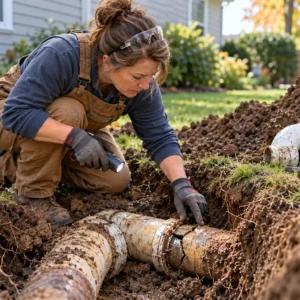
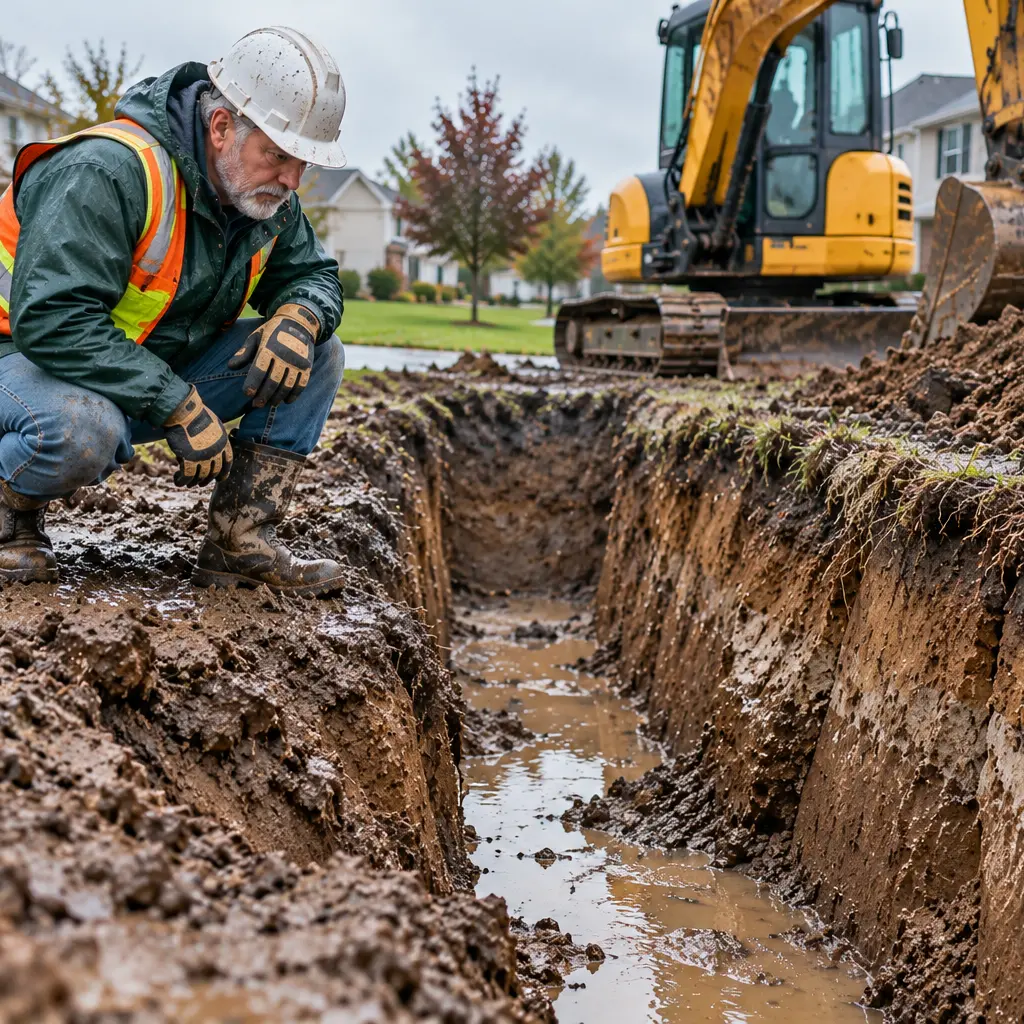
Rain, groundwater, leaking utilities and surface runoff can weaken trench walls. When a trench is opened to repair a collapsed sewer line , wastewater that has already escaped may have left the surrounding soil saturated before excavation begins.
Conditions should be reassessed following rainfall or other water intrusion. Workers should not enter an excavation affected by water unless suitable precautions have been put in place.
Heavy Loads Near the Trench Edge
Excavated soil, construction materials and heavy equipment near trenches add pressure to the surrounding ground. These surcharge loads can increase stress on the trench walls.
Equipment operating close to an excavation may create another problem. Construction vibration from machinery or nearby traffic can disturb soil and reduce wall stability, particularly where the ground is already loose or previously disturbed.
Inadequate Protective Systems
Excavating a trench without the appropriate protection can leave workers exposed if the walls fail. The protective method should be selected for the excavation depth, soil conditions and other site factors.
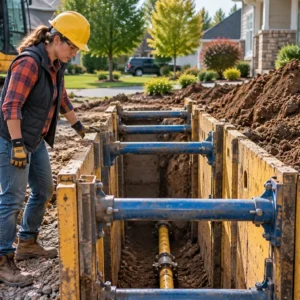
Depending on the conditions, this may involve sloping, shoring or shielding with systems such as trench shields.
The system must be suitable for the loads and conditions expected at the site.
Changing Site Conditions
A trench that appeared stable earlier may not remain that way throughout the workday. Rain, water seepage, vibration, changing loads and ongoing excavation work can alter the ground.
For this reason, trench inspections should not be treated as a one-time check. Conditions need to be monitored as work progresses.
What Is the Most Dangerous Part of a Trench Collapse?
The most dangerous part of a trench collapse is the sudden movement and enormous weight of soil entering the excavation. Even a relatively small amount of collapsing material can immobilize a worker and make escape extremely difficult.
Possible trench collapse injuries include broken bones, crushed limbs, spinal injuries, head injuries, nerve damage and suffocation. A serious collapse can also be fatal.
A collapse may create secondary excavation hazards as well. Damaged underground utility lines can introduce electrical, gas or water hazards, while disturbed or contaminated areas may expose workers to hazardous atmospheres.
Rescue can also be dangerous. An unstable trench may experience a secondary collapse, placing anyone who enters without proper protection at risk. Emergency response should therefore be handled using appropriate rescue procedures rather than by unprotected workers entering the failed excavation.
What Is a Common Sign That a Trench May Collapse?
One common sign that a trench may collapse is cracking or fissuring in the soil near the trench face or edge. These changes can indicate that sections of soil are beginning to separate and that trench wall stability is deteriorating.
Other trench collapse warning signs can include:
- Soil sloughing, crumbling or falling from the trench wall
- Bulging or heaving at the bottom of the excavation
- Ground settling or sinking near the trench edge
- New cracks developing beside the excavation
- Water seeping through the trench walls
- Increasing water accumulation inside the trench
- Movement or damage in a shoring or protective system
- Changes following heavy rain, vibration or nearby equipment activity
How Can Trench Collapses Be Prevented?
Effective trench collapse prevention starts before excavation begins. The site, soil, nearby structures, underground utilities and expected depth should be considered when planning the work.
Use the Correct Protective System
Depending on the excavation, protection may involve trench sloping, benching, trench shoring or trench shielding. Sloping and benching change the shape of the excavation, while shoring supports the walls. Shielding, including properly selected trench boxes, is designed to protect workers if material moves into the excavation.
Inspect the Trench Regularly
A competent person should inspect the excavation, surrounding areas and protective systems before work begins and as conditions require.
Inspections are particularly important after rainstorms, water intrusion or other events that could increase the hazard.
Control Water
Water should not be allowed to collect unchecked inside an excavation. Appropriate drainage, pumping or diversion measures may be required depending on the site.
Keep Loads Away From Trench Edges
Spoil piles, materials and equipment can place additional pressure on trench walls or fall into the excavation. OSHA requires excavated material and equipment that could create a hazard to be kept at least 2 feet from the excavation edge or controlled with suitable retaining measures.
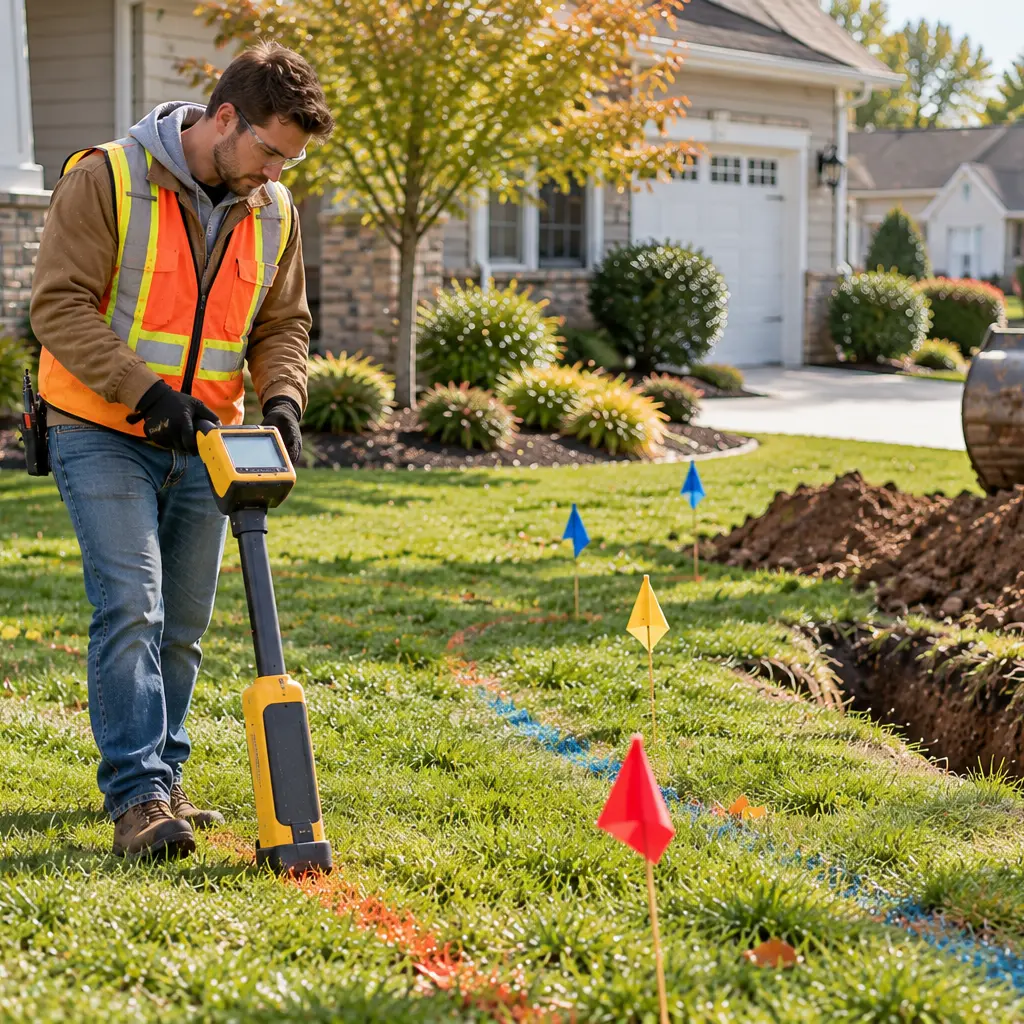
Locate Underground Utilities
Utility lines should be identified before excavation starts. Damaging water, gas, electrical or sewer lines can create additional hazards and may change conditions inside the trench. Gas lines need particular care, and gas line excavation should only begin once the line’s position has been confirmed.
Provide Safe Access and Exit
Workers need a safe means of entering and leaving a trench. OSHA requires a stairway, ladder, ramp or other safe means of egress in trench excavations 4 feet or more in depth so that workers do not have to travel more than 25 feet laterally to reach one.
Key Takeaways for Trench Safety
Understanding what is a trench collapse starts with recognizing that excavated soil can lose stability and move into a trench with little time for workers to react. For DNA Plumbing and Heating in Michigan, proper excavation planning is important when dealing with underground plumbing, drain and sewer line work. Unstable soil, water, surcharge loads, vibration, inadequate protective systems and changing site conditions can all contribute to an excavation collapse.